

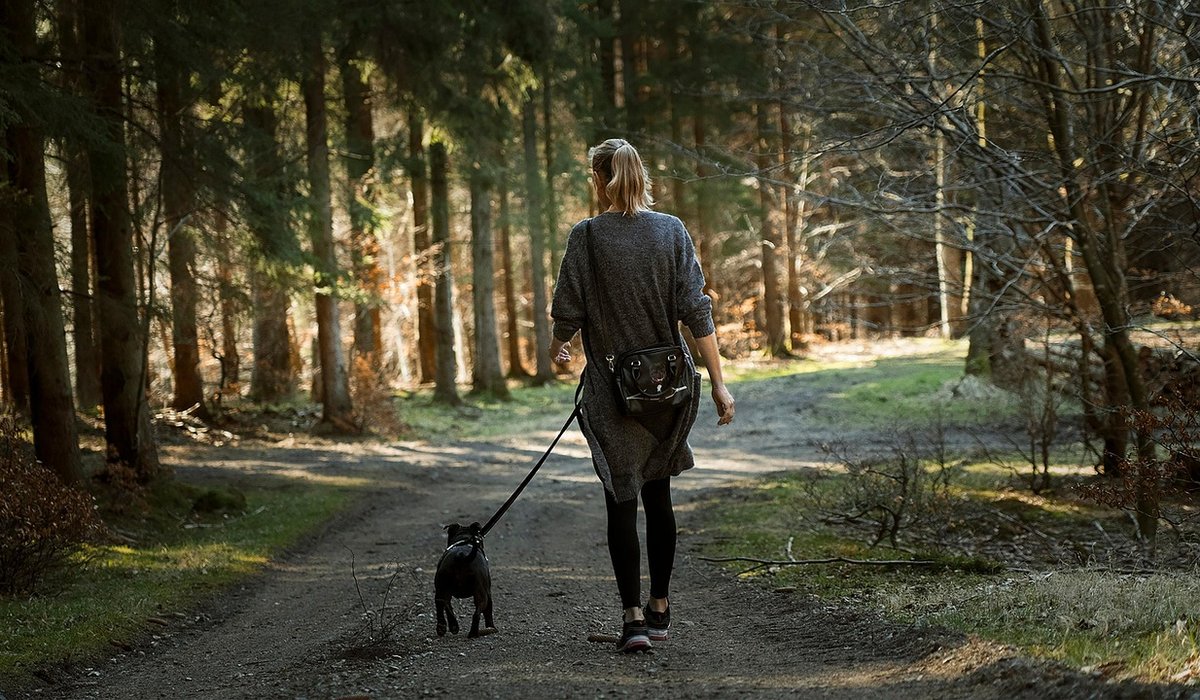
Somewhere between a village and a city sits the British market town: a compact grid of Georgian frontages, a square that still fills with stalls on a Tuesday, and a railway station that everyone forgets is there. These are the easiest places in the country to visit without a car, because the town was built for people arriving on foot. Base yourself in one and you can spend a long weekend eating well, walking properly and never once hunting for a parking space.
Not every market town rewards a car-free stay. Before you book anything, check three things, and check them in this order.
Small stations on branch lines are often better than big ones. You arrive somewhere quiet, walk downhill into the town, and you're at your accommodation before the train has finished pulling away.
The instinct is to book the prettiest street, which is usually the furthest from the railway. Resist it on your first night. Aim for the ring between the station and the main square: quieter than the market place, closer than the riverside cottages, and no taxi required at either end of the day.
What to look for in a cosy stay:
Pubs with rooms usually beat chain hotels for character, and they'll often tell you which bus to catch better than any app will.
Car-free travel rewards a small bag. One cabin-sized case and a daypack is plenty for three nights, and you'll be grateful for it on the walk from the station and on the narrow pavements outside the market hall.
Two practical habits make the whole trip easier. First, buy your train ticket in advance if you can — advance fares on regional lines are often startlingly cheap. Second, photograph the bus timetable on the first morning. Rural services change with the season, and the printed board at the stop is usually more current than anything online. Sunday services are sparse or nonexistent, so plan a slow local day for Sunday and save the longer trip for a weekday.
This is where the market town earns its keep. Almost every one of them sits at the hub of a web of country routes that exist for exactly this purpose: getting people from the town out to the villages and back.
Good destinations from a market town base tend to be a ruined abbey, a reservoir or a hill with a view, and a village pub that does a serious lunch. Any of the three makes a satisfying day.
Market towns are best explored in loops rather than straight lines. Walk from the square down the oldest street, follow the river or the old canal out to the edge of town, then come back through the residential lanes — that's where the good stuff is.
Eat early if you have a bus the next morning. Most market town kitchens close the doors around nine, and the walk back to your room through empty streets is one of the great small pleasures of the whole trip.
Before you turn in, do two things: check tomorrow's timetable, and ask your host about the weather. A rainy morning is the cue for the museum, the covered market and the second-hand shop; a clear one means boots on and out to the footpath. Either way, you won't need a car to find it.

The Hiddenal Cove An honest, everyday look at the things that make life a little better — with advice you can actually use.

The Hiddenal Cove We spend our time finding what works so you don't have to, and sharing exactly what made the difference.

Wander beyond the main square to find independent shops, old signs, and small courtyards missed by most day visitors.

Comments
ALina Kelian
19th May 2018 ReplyThe Hiddenal Cove An honest, everyday look at the things that make life a little better — with advice you can actually use. ullamco laboris nisi ut aliquip ex ea commodo consequat.
Rlex Kelian
19th May 2018 ReplyThe Hiddenal Cove Simple, genuine and looked after with care — the kind of place worth returning to. ullamco laboris nisi ut aliquip commodo.
Roboto Alex
21th May 2018 ReplyThe Hiddenal Cove No rushing, no fuss — just thoughtful notes and practical help, written by people who care. ullamco laboris nisi ut aliquip ex ea commodo consequat.